

Exploring Hadoti: The Cultural Heart of Southeastern Rajasthan
Hadoti, also known as Hadauti, is one of the most culturally rich and historically significant regions of Rajasthan. Located in the southeastern part of the state, Hadoti includes the districts of Kota, Bundi, Baran, and Jhalawar. Unlike the desert landscapes commonly associated with Rajasthan, Hadoti is known for its fertile plains, rivers, forests, waterfalls, and ancient heritage. The region beautifully combines natural beauty with royal history, making it a hidden treasure for travelers, historians, and culture lovers.
The name “Hadoti” originates from the Hada Rajputs, a branch of the Chauhan Rajput clan that ruled the region for centuries. The Hada rulers established powerful kingdoms in Bundi and Kota during the medieval period. Their influence can still be seen today through the grand forts, palaces, temples, and stepwells scattered across the region. These architectural marvels reflect the bravery, artistic taste, and cultural sophistication of the Rajput rulers.
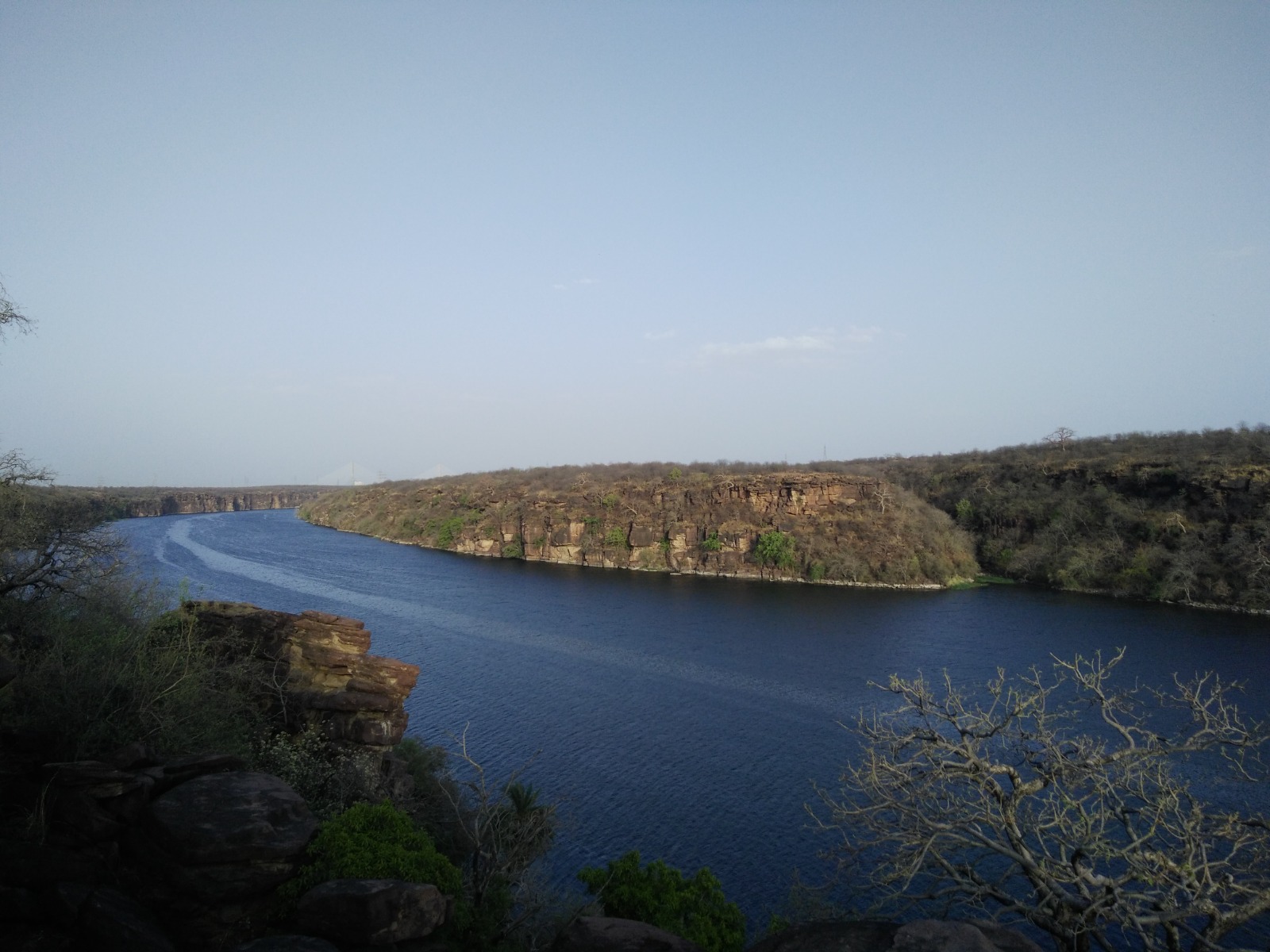
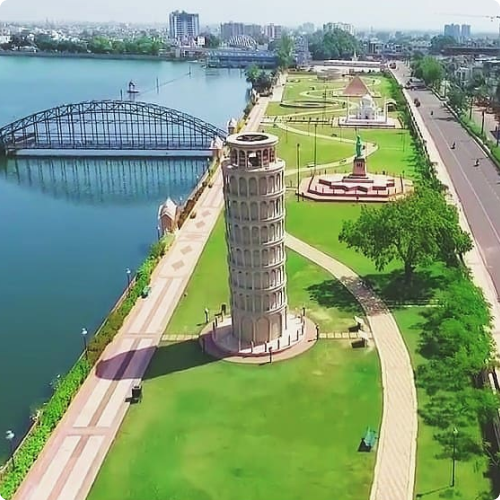
Kota is the largest and most developed city in Hadoti. Today, it is internationally recognized as India’s coaching capital because thousands of students come here every year to prepare for competitive exams such as IIT-JEE and NEET. However, beyond its modern educational identity, Kota also has a deep historical and cultural background. The city is situated on the banks of the Chambal River, one of the cleanest rivers in India. The recently developed Chambal River Front has become a major tourist attraction, featuring beautiful ghats, sculptures, lighting, gardens, and cultural installations that celebrate Rajasthan’s heritage.
Bundi, another jewel of Hadoti, is famous for its magnificent palaces, stepwells, and narrow blue-painted streets. Often referred to as the “City of Stepwells,” Bundi is home to several baoris or stepwells that once served as water conservation systems. The most famous among them is Raniji Ki Baori, an architectural masterpiece decorated with intricate carvings and arches. Bundi Palace and Taragarh Fort are also important landmarks that showcase Rajput architecture and military strength. The paintings and murals found inside Bundi Palace are considered among the finest examples of Rajput art in Rajasthan.
Jhalawar, located near the border of Madhya Pradesh, is another important district of the Hadoti region. It is known for its greenery, ancient temples, and historical monuments. Unlike many parts of Rajasthan that experience extreme desert conditions, Jhalawar has a comparatively moderate climate and receives good rainfall. The district is famous for Gagron Fort, a UNESCO World Heritage Site situated at the confluence of rivers and surrounded by hills. Gagron Fort is unique because it is a water fort, protected naturally by rivers on multiple sides. The region is also known for Buddhist caves, temples, and orange cultivation.
Baran district represents the tribal and rural culture of Hadoti. It is rich in forests, wildlife, and traditional lifestyles. Shahbad Fort and the ancient temples in the area attract visitors interested in history and archaeology. The Sahariya tribe, one of Rajasthan’s oldest tribal communities, lives in this district and contributes to the region’s unique cultural identity. Their traditions, folk music, and lifestyle provide a glimpse into Rajasthan’s indigenous heritage.
One of the defining features of Hadoti is its geography. The region lies on the Hadoti Plateau and is blessed with fertile black soil. Rivers such as the Chambal, Kalisindh, Parvati, and Parwan make agriculture prosperous in the area. Crops like soybean, wheat, mustard, coriander, and pulses are widely cultivated here. Due to its fertile land and better water availability, Hadoti is often considered one of the greener parts of Rajasthan.
The natural beauty of Hadoti is equally impressive. The region is home to waterfalls, forests, valleys, and wildlife sanctuaries that attract nature lovers and photographers. Places like Garadia Mahadev near Kota offer breathtaking views of the Chambal River flowing through deep gorges. During the monsoon season, waterfalls such as Bhimlat Waterfall in Bundi become major attractions. Mukundra Hills Tiger Reserve, located near Kota, is another important ecological destination where visitors can experience Rajasthan’s wildlife and forest landscape.
Language and culture play a major role in shaping Hadoti’s identity. The local language spoken in the region is Hadauti, a dialect of Rajasthani. It has its own unique pronunciation, vocabulary, and folk traditions. Folk songs, dances, and local festivals continue to preserve the cultural spirit of the region. Traditional fairs and religious celebrations bring communities together and reflect the social harmony of Hadoti.
Cuisine in Hadoti also reflects the flavors of Rajasthan while maintaining regional uniqueness. Dishes such as dal baati churma, gatte ki sabzi, kadhi, and spicy chutneys are popular across the region. Local sweets and snacks are enjoyed during festivals and family gatherings. The food culture of Hadoti is deeply connected with agriculture and traditional cooking methods.
Tourism potential in Hadoti has increased significantly in recent years. The Rajasthan government has promoted the region as a heritage and eco-tourism destination. Improved roads, riverfront development, and restoration of historical monuments have attracted more visitors from India and abroad. Despite this growth, Hadoti still remains less crowded compared to famous tourist circuits like Jaipur, Udaipur, and Jodhpur. This makes it an ideal destination for travelers seeking authentic cultural experiences away from heavy commercial tourism.
Hadoti represents a different face of Rajasthan — one that combines greenery, rivers, royal history, art, spirituality, and modern development. From the coaching institutes of Kota to the painted palaces of Bundi, from the tribal traditions of Baran to the ancient forts of Jhalawar, every district contributes to the region’s rich identity. The blend of natural beauty and historical grandeur makes Hadoti a remarkable part of Rajasthan’s heritage.
In conclusion, Hadoti is much more than a geographical region; it is a living symbol of Rajasthan’s diverse culture and historical legacy. Its forts, temples, rivers, language, traditions, and people together create a unique cultural landscape that deserves greater recognition. As tourism and development continue to grow, Hadoti has the potential to emerge as one of India’s most important cultural and heritage destinations.
Please login to post a comment.






Comments